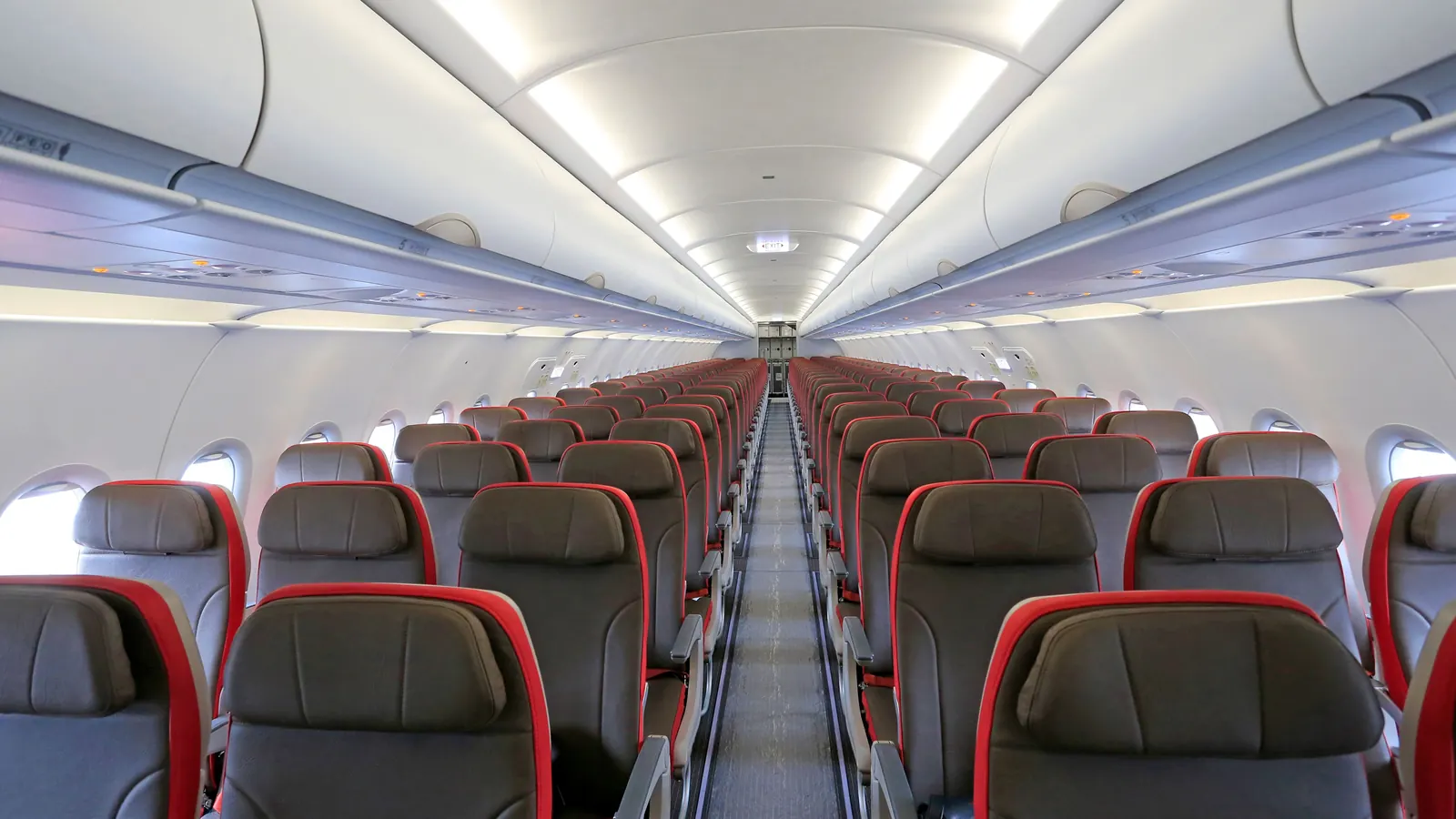
Can a pilot be attacked in the cockpit? Yes: on September 30, 2026, the co-pilot of flydubai flight FZ1073 from Dubai to Tel Aviv attacked Captain Smit Machchhar with the cockpit crash axe, according to the UAE Attorney-General, and a pilot travelling on board for the return flight, a cabin crew member and passengers restrained him before the aircraft diverted and landed safely at Tabuk, Saudi Arabia. The reinforced cockpit door is built to keep threats out, but it does nothing about a threat already in the seat.
Searches for "pilot stabbed by copilot" have exploded since, and passengers are asking fair questions: how did an axe get into the cockpit, and what actually protects the flight deck? Here's what's confirmed about flydubai flight 1073, and how cockpit security works on a typical airliner.
flydubai pilot stabbed by co-pilot: what really happened on flight FZ1073
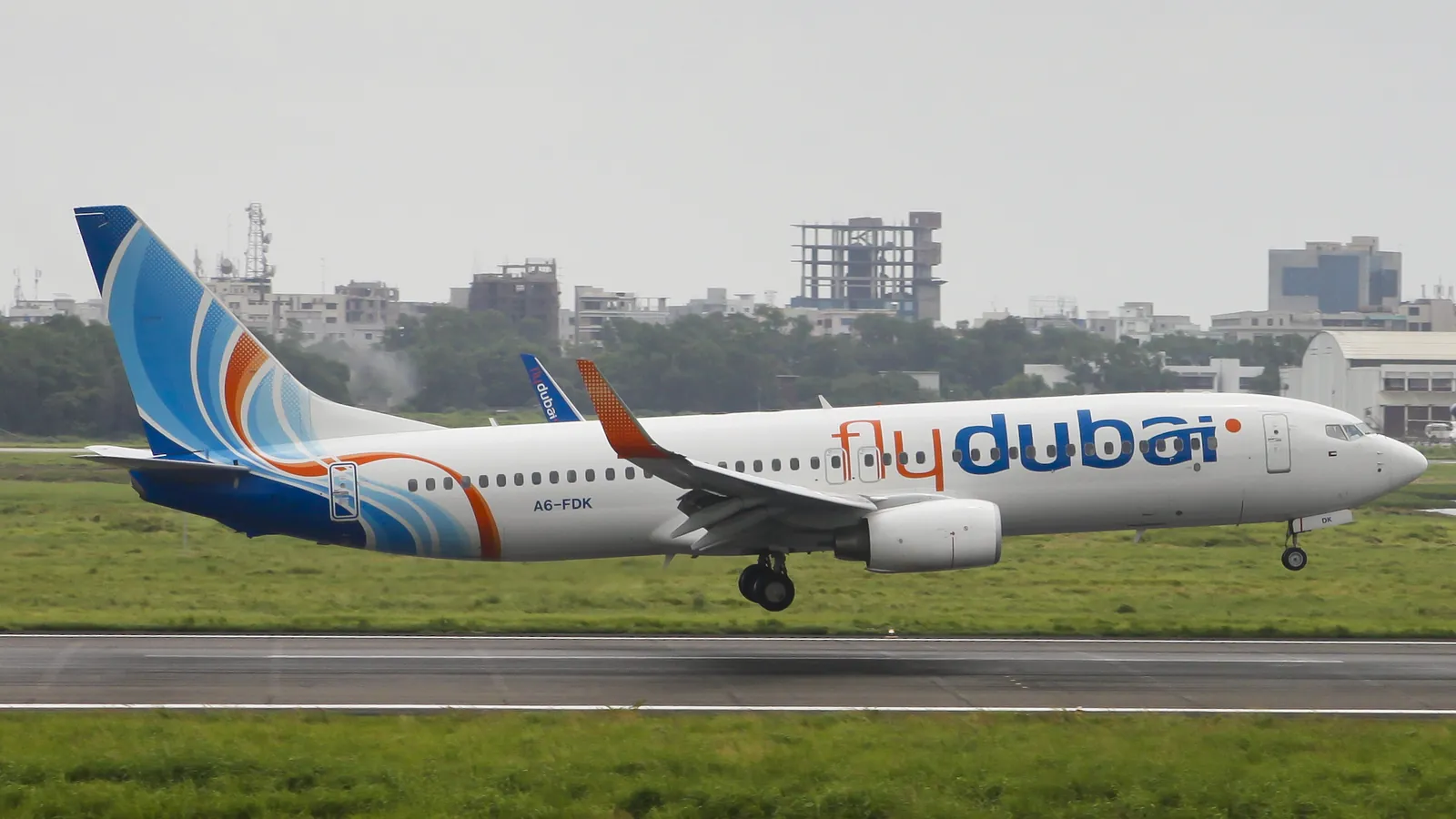

Flight FZ1073 was operating from Dubai to Tel Aviv's Ben Gurion Airport on September 30, 2026. Media reports identify the aircraft as a Boeing 737 MAX 8; flydubai has not confirmed the type. According to flydubai, "an altercation occurred in the flight deck," and the aircraft was "secured by on-duty flydubai crew travelling on the flight," who diverted and landed safely at Tabuk, Saudi Arabia. The UAE General Civil Aviation Authority (GCAA) called it a "security incident" and said crew members were injured.
The BBC reported that the aircraft descended more than 17,000 feet and that the transponder was set to 7500, the hijack code; no authority has confirmed either detail. The headcount is also unsettled: Saudi Arabia's Interior Ministry said 174 passengers and eight crew, flydubai referred to 172 passengers and crew, and AP reported 182. Saudi officials said both pilots were taken to hospital. flydubai's chief executive later said everyone on board was safe, including the captain, who returned to the UAE after medical clearance.
On October 3 the UAE Attorney-General said the co-pilot attempted a "terrorist act," attacking the captain with the crash axe and trying to take control of the aircraft. In a further update on October 9, he said the 29-year-old Omani suspect had confessed to a premeditated plan to crash the aircraft into Ben Gurion's passenger terminal, and claimed he acted alone. Prosecutors say they are still checking that claim. Reuters, citing an unnamed source, has reported a name for him. That name is not officially confirmed, so Radar Contact is not publishing it; UAE statements describe him only as the Omani co-pilot. The allegations have not been tested in court.
The captain, Smit Machchhar, has spoken publicly. In a video call with India's prime minister, reported by the BBC, he said that, injured and on the floor, he made "one last push to open the door from inside." Accounts of who opened the door differ, and neither has been settled by investigators. The Attorney-General's account says a pilot assigned to the return flight noticed the door behaving unusually, gained entry using the normal crew procedure, and, with a cabin crew member and passengers, restrained the attacker. That return-flight captain and first officer then flew the aircraft to Tabuk.
Still unclear: the exact sequence inside the flight deck, how the aircraft was flown during the struggle, and how the suspect passed pre-employment checks. According to a statement from Oman's embassy, reported by AP and others, Oman had barred him from its aviation sector over extremist content and was never asked for a background check. The GCAA's technical investigation hasn't reported yet.
Can passengers get into the cockpit? How cockpit security and the cockpit door work
After 9/11, the rules changed fast. ICAO Annex 6 requires larger passenger aircraft to have a flight deck door designed to resist forced entry and small-arms fire, lockable from inside. In the US, 14 CFR 121.313 requires the reinforced door, and 121.587 requires it to stay closed and locked in flight, with only limited exceptions.
The door is the core of modern flight deck security. A passenger cannot force it in any realistic timeframe. When a crew member needs to come in, there is an approved request procedure, and 14 CFR 121.584 requires the pilots to verify who is outside, by camera or viewer plus an audio check, before unlocking. There is also an emergency access process so cabin crew can reach pilots who stop responding, but the pilots inside always have the final say: they can deny entry.
Can a pilot be locked out of the cockpit?
Yes, and that's the uncomfortable lesson. The door is built to keep threats out. It does nothing about a threat already in the seat. Germanwings 9525 in 2015 proved it: the French investigator BEA found the first officer locked the captain out and deliberately flew the A320 into the Alps, killing all 150 on board. FZ1073 is the opposite scenario: the attacked pilot was inside, and help came through the door.
“The door is built to keep threats out. It does nothing about a threat already in the seat.”
Secondary barriers
The most vulnerable moment is when the door opens in flight for a bathroom break or a meal. The FAA's 2023 rule requires an installed physical secondary barrier, a gate deployed across the forward galley, on new passenger aircraft built for US airlines, with compliance delayed to August 2026. Older aircraft aren't required to retrofit, so most crews still block the aisle with a galley cart and a flight attendant.
The two-person rule: are there always two people in the cockpit?
Many US airlines have long had a flight attendant step into the flight deck whenever one pilot leaves, so nobody is ever alone. After Germanwings, EASA recommended the same in Europe, then in 2016 softened it to a risk-based choice. In May 2026, a revised EASA safety bulletin (SIB 2016-09R1, issued May 18, 2026) made two people in the cockpit the preferred approach again. It's still a recommendation, not a law, and practice varies by airline and country.
The two-person rule protects against someone being alone. In FZ1073, by official accounts, the captain wasn't alone. The attacker was the second person.
Why is there an axe in the cockpit?
It feels absurd, but it's required emergency equipment. 14 CFR 121.309(e) requires a crash axe on US airliners, and the UAE's rules require a crash axe or crowbar in the flight crew compartment. Its job is to cut through panels to reach a hidden fire behind the sidewall, or to force a way out after an accident. It's stowed in the flight deck because that's where the crew who might need it sit.
What happens if a pilot is incapacitated?
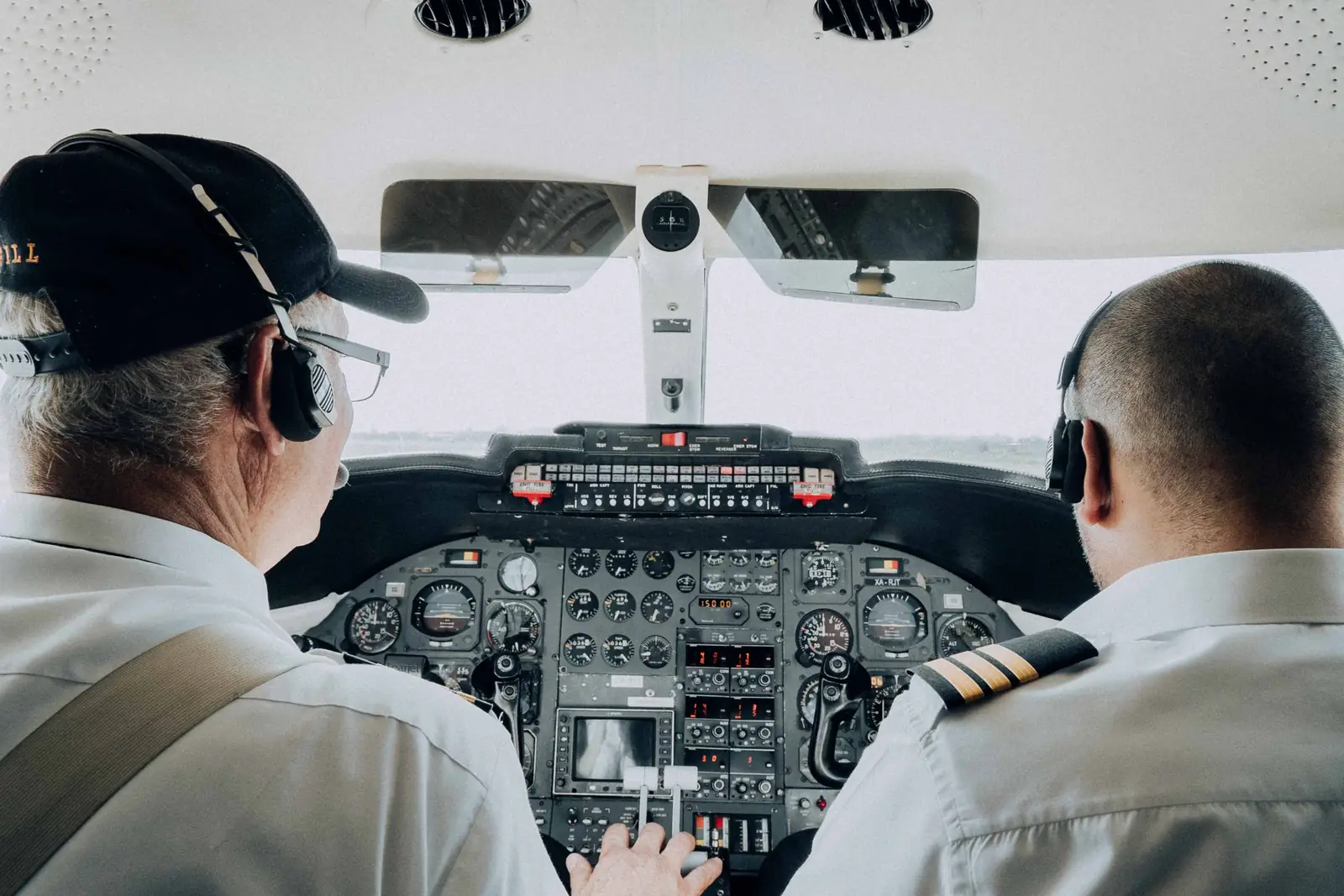
Every two-pilot airliner can be flown and landed safely by one pilot, and that's exactly what incapacitation training assumes. Crews train for pilot incapacitation in the simulator and in recurrent training: the remaining pilot takes control, engages the autopilot, calls for help, gets the incapacitated pilot restrained clear of the controls with cabin crew assistance, and diverts. Usually it's medical, not violence, but the drill is the same: fly the aircraft first.
Pilot mental health, screening and other safeguards
Airline pilots hold a first-class medical certificate, renewed every 12 months in the US, or every six months from age 40. Since 2018, EU rules require airlines to run confidential peer-support programmes and a psychological assessment before a pilot starts line flying. Pilots also pass background and security checks, though FZ1073 shows checks only catch what they're designed to look for.
In the US, the TSA's Federal Flight Deck Officer program trains volunteer pilots as armed federal officers to defend the flight deck, and Federal Air Marshals fly undercover on selected flights.
How rare are cockpit attacks? FedEx 705, Ethiopian 702 and Horizon 2059
Extremely rare. Out of tens of millions of flights a year, in-flight attacks by people with legitimate flight deck access are few enough that most pilots can name them. FedEx 705 in 1994, where an off-duty flight engineer riding as a passenger attacked the crew with hammers (documented by the NTSB and US court records), is one; Ethiopian 702 in 2014, when the co-pilot locked the captain out and flew the aircraft to Geneva, is another. Germanwings 9525 is the deadliest. In 2023 an off-duty pilot riding in the jumpseat of Horizon Air flight 2059 tried to pull the engine fire handles and was stopped by the crew, according to US federal charging documents.
FAQ
What happened on flydubai flight FZ1073?
On September 30, 2026, the co-pilot attacked the captain with the cockpit crash axe on the Dubai to Tel Aviv flight, according to the UAE Attorney-General. A pilot travelling on board for the return flight, a cabin crew member and passengers restrained him, and the aircraft diverted and landed safely at Tabuk, Saudi Arabia. Investigations are ongoing.
Can passengers get into the cockpit?
Not by force. The reinforced door stays locked in flight, and pilots verify anyone requesting entry before unlocking. On FZ1073, there is no indication the door was breached; how it came to be opened has not been officially confirmed.
Can a pilot be locked out of the cockpit?
Yes. The pilots inside always have the final say on who comes in and can deny entry. That's how the Germanwings 9525 first officer kept the captain out in 2015, according to the French investigator BEA.
Why is there an axe in the cockpit?
Regulations require it for fighting hidden fires and escaping after an accident. It's emergency equipment, not a security lapse.
What happens if a pilot is incapacitated during a flight?
The other pilot flies alone, gets help from cabin crew, and lands at the nearest suitable airport. It's a trained, routine procedure.
Are there always two people in the cockpit?
On many airlines, yes, when a pilot leaves the seat. It's a recommendation in Europe and common airline policy in the US, not a universal rule.
The bottom line
Cockpit security is very good at keeping people out, and FZ1073 exposed its hardest problem: the threat that's already authorized to be inside. The fixes being debated now are in vetting and mental health support, not thicker doors.