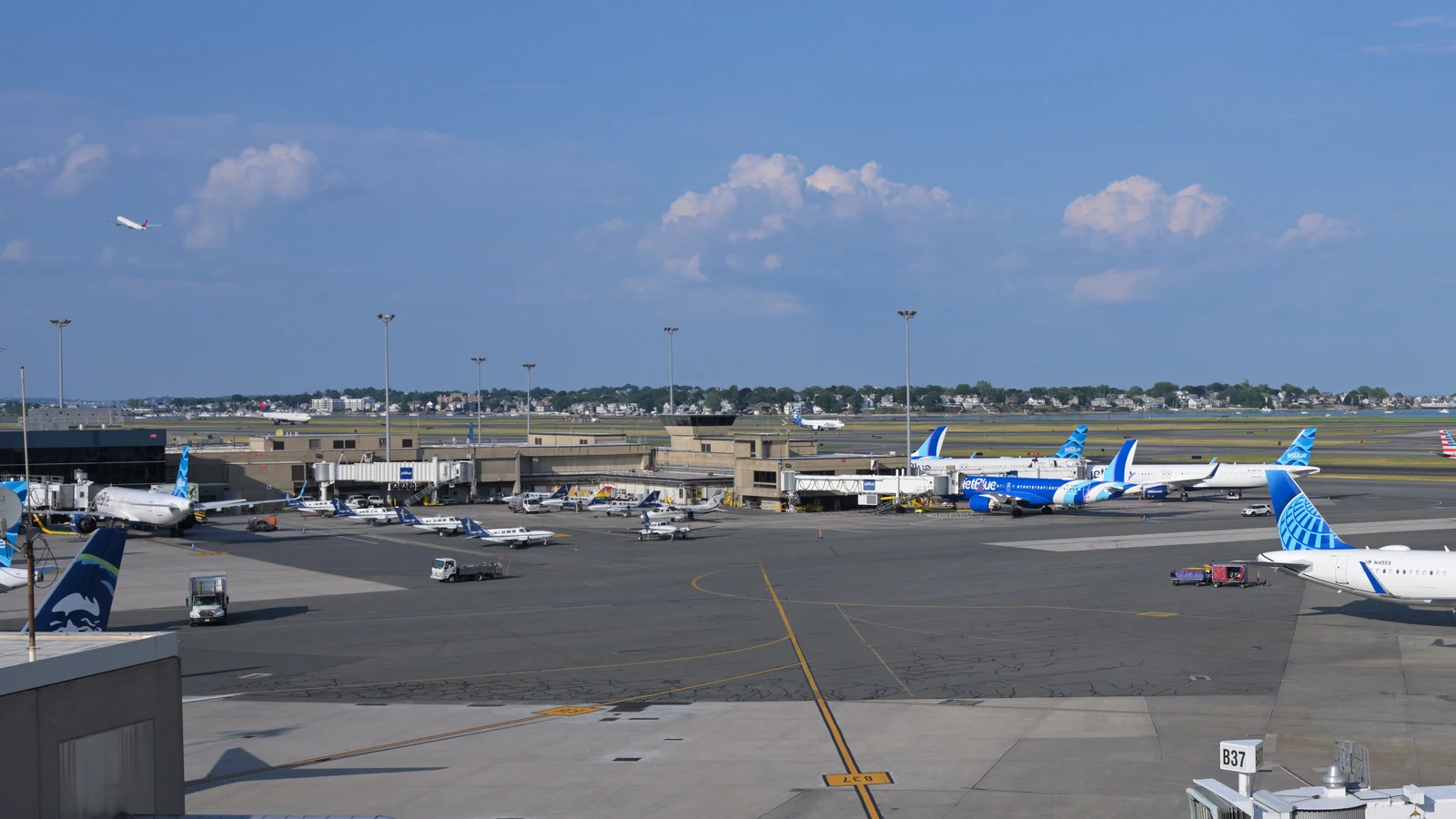

The airplane is not the captain’s company car. There is no permanent parking space with a pilot’s name on it.
A crew and a jet meet for a flight. Their plans can line up for a while. They do not have to stay together afterward.
In a day-in-the-life account published by the Air Line Pilots Association, a regional-airline crew changes airplanes during its working day, prepares the replacement and carries on. One crew. More than one jet. Source: ALPA.
Same Aircraft Type Does Not Mean the Same Aircraft
“Do you fly the same plane?” contains several different questions.
| Term | What it means here |
|---|---|
| Individual aircraft or airframe | The particular physical airplane, identified by its registration. |
| Model or variant | A version of a design. Two aircraft of that model are still separate machines. |
| Aircraft family | Related designs. The family name alone does not establish a pilot’s privileges. |
| Type rating | A flight-crew qualification covering specified aircraft, sometimes several models or variants. |
| Assigned fleet | The part of an airline’s operation a pilot is assigned to work in. Not a personal jet. |
In the United States, 14 CFR 61.31 requires the appropriate type rating to act as pilot in command of a turbojet airplane. That rating concerns the aircraft type, not a reservation for one airframe.
So “I fly that type” and “I flew that exact aircraft yesterday” are different statements. The paint may look identical. The airplane is not.
Do Pilots Fly the Same Plane All Day?
They can. They can also change aircraft between flights.
The ALPA account describes a swap followed by further flights in the replacement aircraft. There is no need to choose between “one jet forever” and “a different jet every flight.” Airline flying can sit between those extremes.
A flight is one assignment within a working day or a longer trip. Our airline pilot schedule explainer shows how those pieces fit together. An aircraft change does not automatically end the crew’s trip.
Nor does seeing the same airline logo mean the pilots stayed with the airplane. Another qualified crew can take over while the first crew goes elsewhere.
Which Aircraft Can One Pilot Fly?
Sometimes several models sit under the same type-rating designation. That is useful commonality, not permission to skip differences training.
Here are concrete examples, with their regulatory scope kept intact:
| Aircraft example | What the primary source establishes |
|---|---|
| Boeing 737NG and MAX | The FAA uses B-737 for covered NG and MAX models. Its 737 standardization report (Revision 17, November 2020) requires differences training, including ground and flight training from NG to MAX. |
| Airbus A319, A320 and A321 | The FAA lists these series under A-320. The shared designation is not, by itself, proof that a particular pilot is trained and authorized for every variant. |
| CRJ200, CRJ700 and CRJ900 | Transport Canada’s CRJ report lists these under CL65. It also specifies differences training and, where applicable, checking and approved mixed-fleet requirements. They are not interchangeable on the strength of the label alone. |
Sources: FAA type-rating table, FAA 737 standardization report, Revision 17 (Nov. 2020), section 9.8 (the FAA has since issued later revisions), Transport Canada CRJ report, sections 7, 9–11.
EASA likewise requires differences training or familiarisation, as appropriate, to extend privileges to another variant within a class or type rating. Australia’s CASA also explains that some ratings cover several models, with differences training where prescribed. These are different regulatory frameworks, not one worldwide rule. Sources: EASA, CASA.
The practical test is not “does it look familiar?” It is whether the pilot meets the applicable qualification, training, checking, currency and operator requirements.
A Fictional Two-Day Trip: One Crew, Three Airplanes
This example is entirely fictional. Jet A, Jet B and Jet C are invented labels, not registrations. Assume all three are A320s within both crews’ qualifications and operating assignments. Crew One, Crew Two and the places are invented too. This is not a real airline, route or roster.
| Point in the fictional trip | Crew One’s assignment | Aircraft movement |
|---|---|---|
| Day 1, first flight | Fly Jet A from Base to City One | Jet A arrives with Crew One. |
| Day 1, next flight | Change to Jet B; fly to City Two | Jet A stays at City One for a different assignment. |
| Day 1, after arrival | Finish the day at City Two | Crew Two takes Jet B onward. Crew One does not go with it. |
| Day 2, next assignment | Take Jet C from City Two back to Base | Jet C arrives separately before Crew One’s flight. |
Crew One has used three airframes. Jet B has used two crews. Nobody has changed aircraft type merely because the label changed from B to C.
The crew’s trip and the airplane’s journey are separate lines that intersect. This illustrates the idea, not a standard roster or a legal duty-time calculation.
Why Do Airplanes and Crews Split Up?
Because they have different needs.
Aircraft need maintenance opportunities. Delta TechOps describes routine turnaround and overnight checks, alongside non-routine repairs. Maintenance needs people, equipment and time in suitable places. A jet’s next stop is not decided around where its last captain wants to sleep. Source: Delta TechOps.
There is a concrete historical routing example too. In 2012, United’s chief operating officer described routing aircraft to overnight at hubs with the right maintenance capability. It illustrates the logic, not a claim about that airline’s current network. Source: reported COO statement.
Crews have duty and rest limits. Under the US rules for covered Part 121 passenger operations, flightcrew assignments are subject to flight-duty limitations and required rest. A serviceable airplane does not need the same rest period as its pilots. Another eligible crew can continue its work. Sources: Part 117 applicability, flight-duty limits, rest requirements.
Delays can change the plan. American Airlines describes its operations team swapping aircraft assignments after comparing expected arrival times, to protect time between flights and on-time departures. Its account separates aircraft routing from crew coordination. Connected jobs. Not identical jobs. Source: American Airlines.
For passengers, “different airplane” does not necessarily mean “different pilots.” Equally, “same airplane” does not necessarily mean “same pilots.”
Do Pilots Ever Get the Same Individual Jet Again?
Yes. A jet can come around again without being permanently assigned to that pilot.
A smaller available fleet leaves fewer possible airframes than a larger one. That creates more opportunity for repeats, not a guarantee. The routes, assignments and aircraft availability still matter. There is no useful universal number of flights before a pilot sees the same tail again.
A familiar airplane also does not earn an exemption from preparation. The ALPA account explicitly describes repeating preflight inspections after changing jets. Familiarity is useful. Assuming yesterday’s airplane and today’s airplane are identical is not. Aircraft-specific preparation matters for the whole flight, including a go-around.
How Do Pilots Move Fleets?
Fleet and base arrangements vary by operator. Pilot-led coverage of base, fleet and bidding factors explains why preferences do not amount to a personal airplane allocation. Moving fleets is a training and qualification change, not just a walk to another gate.
Frequently Asked Questions
Do pilots fly the same plane every day?
Usually not. Pilots may keep one individual jet for several flights, change aircraft during a trip, or fly it again later. Their assigned fleet and qualifications matter more than retaining one particular airframe.
Can a 737 pilot fly an Airbus A320?
A 737 qualification alone does not authorize A320 operations. The pilot needs the appropriate A320 qualification and applicable training, checking, currency and operator authorization. Someone separately qualified and eligible on both is a different case.
Can pilots fly different versions of the same plane?
Yes, when their qualifications and operating approvals cover those versions. A shared type rating can still require differences training or familiarisation, checking and continuing eligibility. The exact requirements depend on the aircraft and regulatory framework.
Do pilots and flight attendants stay with the plane?
Not necessarily. Crews can leave an aircraft for another assignment or finish their trip while it continues with other crew. Do not assume the pilots, cabin crew and airplane all have identical onward assignments.
How do pilots choose which plane they fly?
They generally do not choose an individual airframe. At airlines using seniority-based bidding, fleet and base preferences operate within vacancies and the airline’s rules. An awarded fleet position still requires the applicable training and qualifications; it is not permission to fly every aircraft the airline owns.
The Short Version
The continuity is in the work and the qualifications, not a reserved seat cushion. For the working-month side of the story, see our airline pilot schedule explainer. The roster belongs to the pilot. The airplane has its own plans.